

Dispatch From Peru
But tonight is still Western night!

Dear Readers,
We’re doing something a little different today. If you’ve been following me on Instagram you would have noticed I’m… in Peru!
But don’t worry—Producer Sam is taking the wheel for tonight’s livestream, and your favourite Genre Report hosts, Olivia O’Flynn and Anthea Bariamis, are ready to giddy up and take you to the wild world of Westerns. I’ll be catching up over breakfast in Ollantaytambo tomorrow morning.
I’m also extending last week’s giveaway because I think it’s the most gorgeous, glorious title we’ve ever had on offer.
Bookings for Bibliocarta’s next grand adventure open at 5pm on Wednesday 27 May—the link will go out to you here in News & Reviews first. And just FYI, returning travellers have booked almost half of the available spots, so if you’ve checked out the itinerary and lined up your leave, don’t dilly-dally once it opens to the public.
Best wishes and happy reading,
Bri

Intrepid’s Peru Women’s Expedition
Photo credit for all these images: Nicola Bailey / Nimble & Free
I’ve always been interested in the economics and ethics of tourism. And let’s be honest—I’ve always wanted to see Machu Picchu. Imagine my delight when an email from Intrepid landed in my inbox a few months ago: We’re launching a Women’s Expedition to Peru, would you like to be one of the first people to experience it?
Holy smokes, yes, thank you, yes I would.
The information pack they sent me was fascinating. Intrepid first launched their Women’s Expedition range in 2018 with destinations like Morocco and Jordan. These itineraries are designed to support women working in tourism and to back the long-term development of women-owned businesses in places where they aren’t afforded the same opportunities as men. Trips to India and Nepal have been popular additions, and this year they’re launching Women’s Expeditions to Peru, Cambodia, and Bhutan.
The trip I’m on right now, for example, directly develops seven women-led experiences, supports five new women-owned businesses, and is exclusively led by women guides. This is the kind of industry leadership that goes beyond optics to make real and lasting change. Bibliocarta is a teeny tiny fish in the tourism sea, but Intrepid have real power to make a real difference. I’m seeing that on the ground here.
I want to introduce you to the two beating hearts of this trip: Maritza (left) and Norma (right).
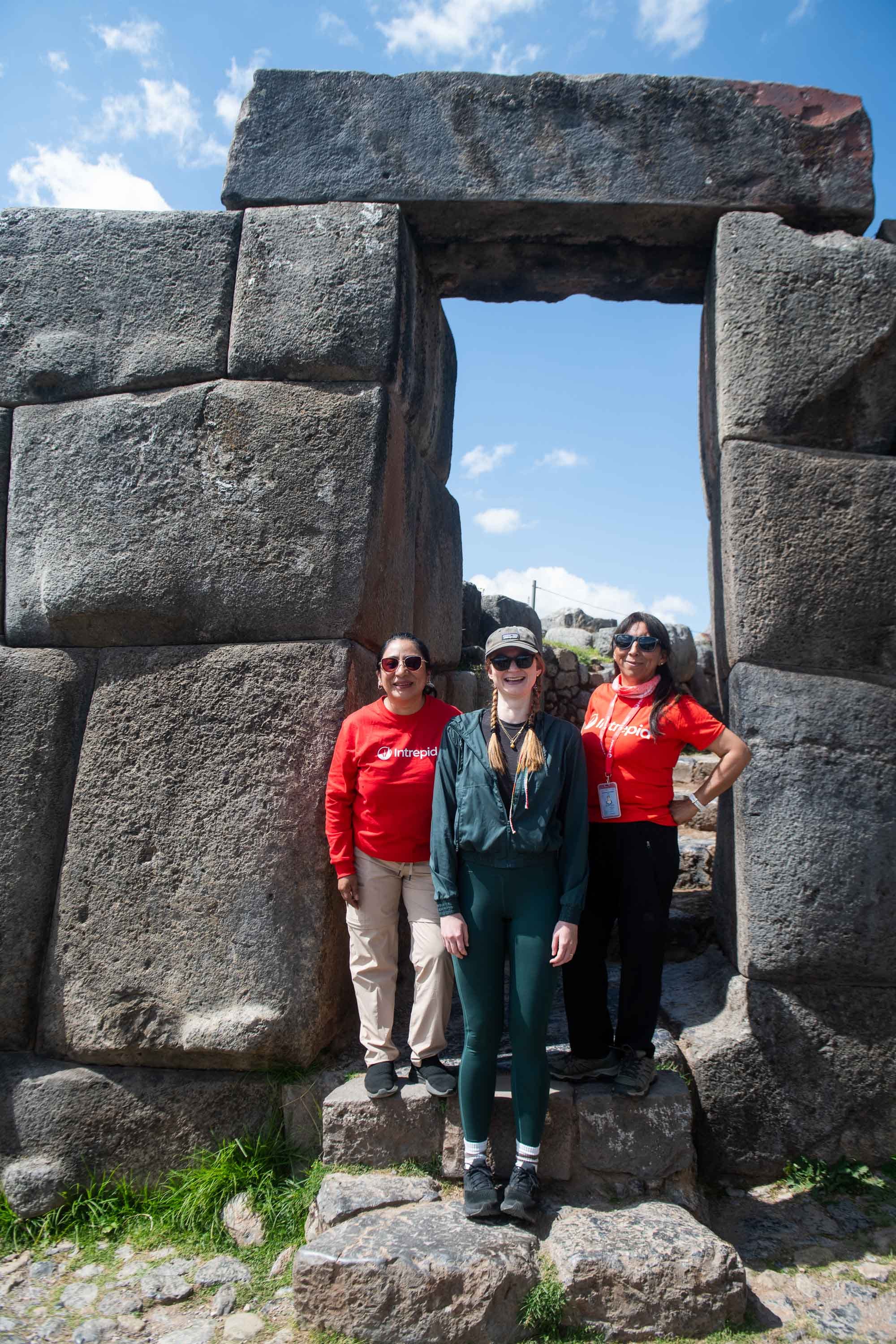
The word ‘trailblazer’ gets thrown around a lot these days, but Maritza has been literally blazing the Inca Trail as a trek leader since 1999. She was pregnant in her early 20s and had to get a job and start working to support her family. But when she did, people questioned her mothering and her ‘womanhood’. Maritza led tourists up the Inca Trail until she was 6 months pregnant. We’re talking about dawn-to-dusk days of hiking rough terrain at high altitude. The men working as guides on the Inca Trail put rocks in her pack to discourage her. Once her son was born, her family helped care for him while she went out working as a guide. She’s been with Intrepid since 2008 and in 2014 became their Trek Manager.
Norma has got to be one of the most resilient women I’ve ever met. She was born in ‘the countryside’ and as a child she spoke Quechua—the language of Indigenous Peruvians—at home, but her mother told her she needed to learn Spanish if she wanted a future for herself. At school she was teased for not wearing shoes, for ‘smelling like animals’, and being poor. But with hard work and time her Spanish improved, and she secured a position for herself at university studying tourism. Norma told me that listening to her professor talk about Quechua culture was the first time in her life she had been told that she should be proud to be Quechuan. That it was something the rest of the world wanted to learn about.
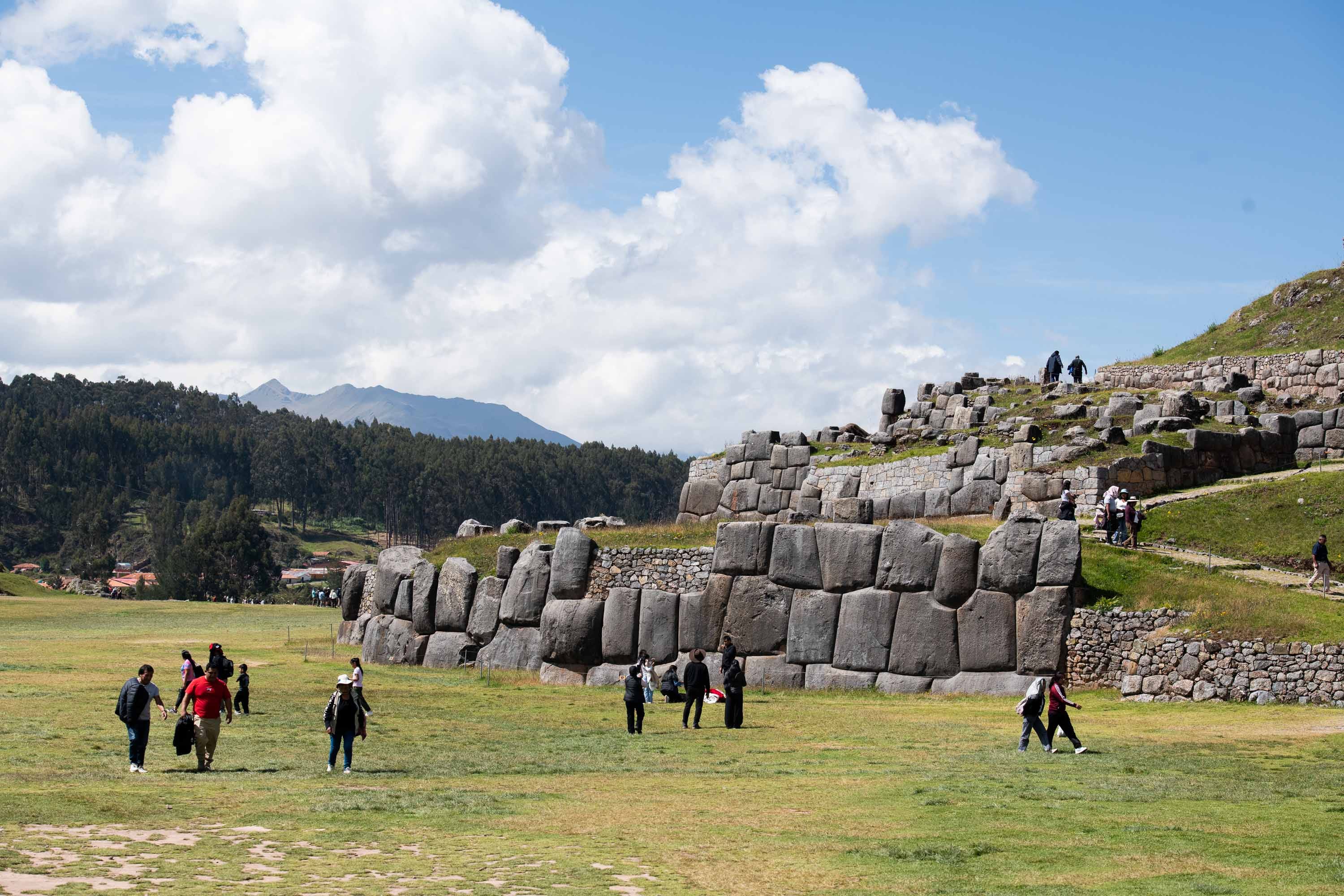
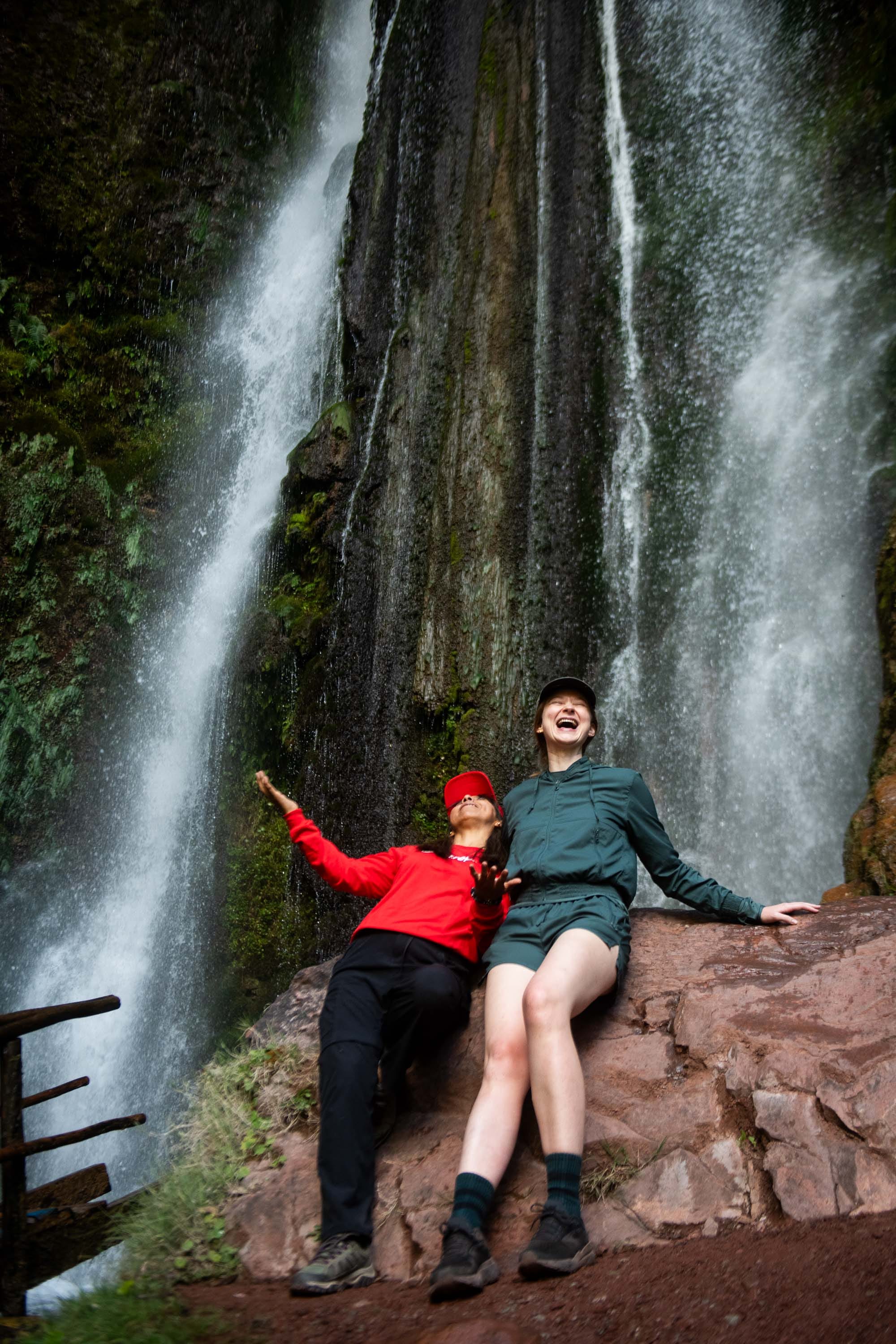
Both Martiza and Norma told me that when they were growing up in Cusco it was embarrassing to be anything other than Spanish. When Norma first started working as a tour guide, in the 90s in Lima, a security guard looked at her skin and her face and told her she couldn’t accompany her group into a shopping centre. People who ‘looked Quechuan’ would be refused entry into restaurants.
Now, Maritza and Norma speak Quechua to each other in the street without fear. They’re proud that Cusco is ‘an Incan city’—far more than Lima. They say that tourism has helped change people’s minds. As foreigners from around the world show genuine interest in Quechua culture, and are willing to respect it and pay for it, Peruvian attitudes are changing.
For context: the Spanish invaded Peru in the 1500s, setting up a horrific colonial empire complete with slavery and indentured servitude. And, of course, you can’t separate the colonisation from the patriarchy. The word Maritza and Norma—and every single other woman we’ve spoken to—has used to describe what they face here is ‘machismo’.
In Peru right now women are 18% of Intrepid’s tour leaders. They’ve made it their goal to reach 50% by the end of next year. Honestly, if Maritza is in charge, it’ll happen. Over dinner she told me that actually they were approaching equal representation until COVID hit. Then Cusco became ‘like a ghost town’ and everything changed. With the lockdowns’ negative impact on tourism and the general fears for health and wellbeing, a deep-set conservatism regained strength and women didn’t return to work when things opened back up in 2022.
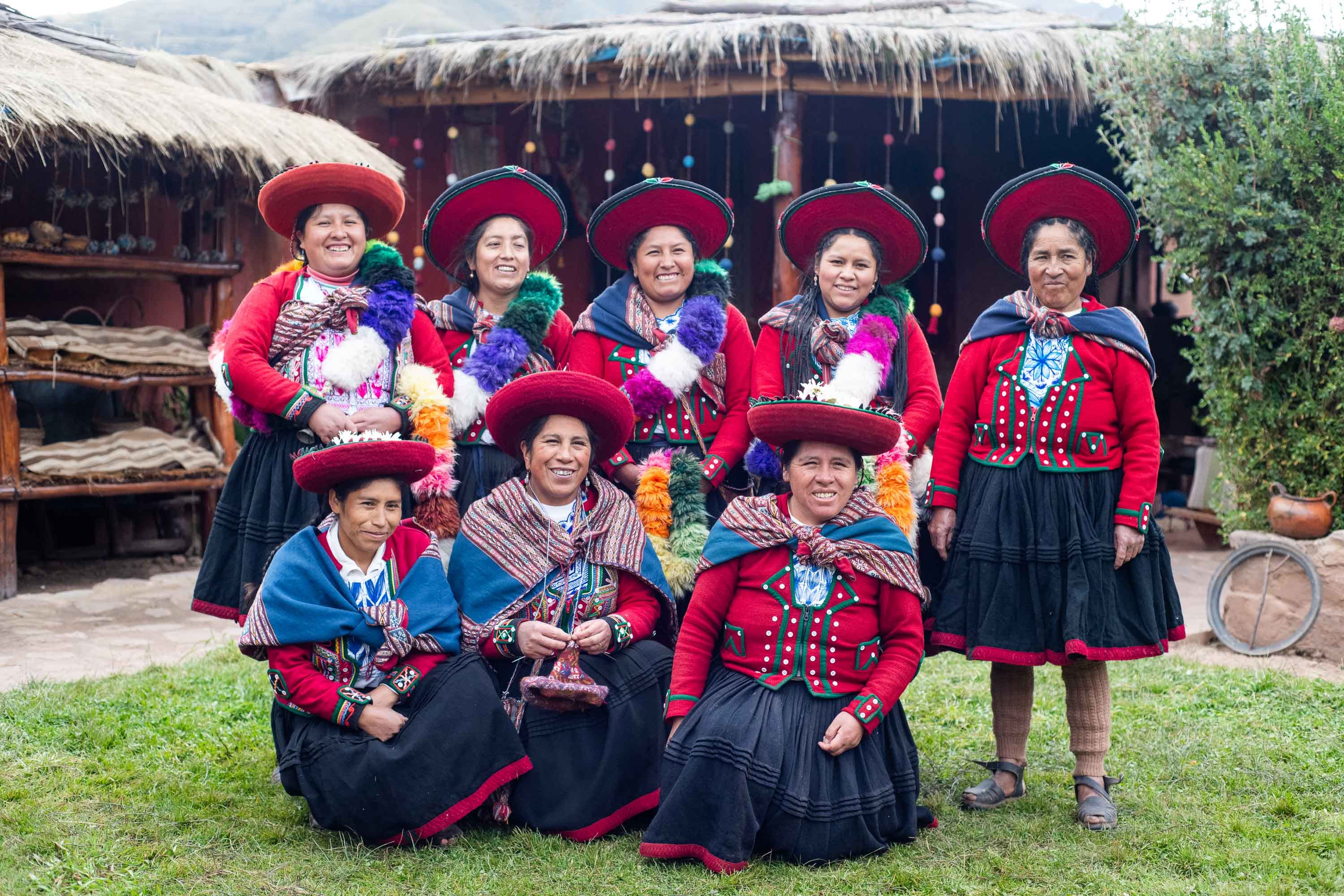
At the Ocotuan community we visited today we met about a dozen women. They said that until tourism arrived in their areas, they had to go to their men for money. These are rural farming lands. There were literally no jobs for the women that would result in them having their own incomes. One of them, Jeanette, told us, ‘Many of us are single mothers. We all have one dream: to send our children to school and university. Since Intrepid started to bring tourists here, we can keep our traditions, we can keep our language, but we have independence.’
Maritza has been building this network of communities and women for over a decade. In the beginning many husbands wouldn’t let their wives do this work. But over time it became a point of pride. These women are showing off their incredible skills as weavers. They make good money from their textiles.
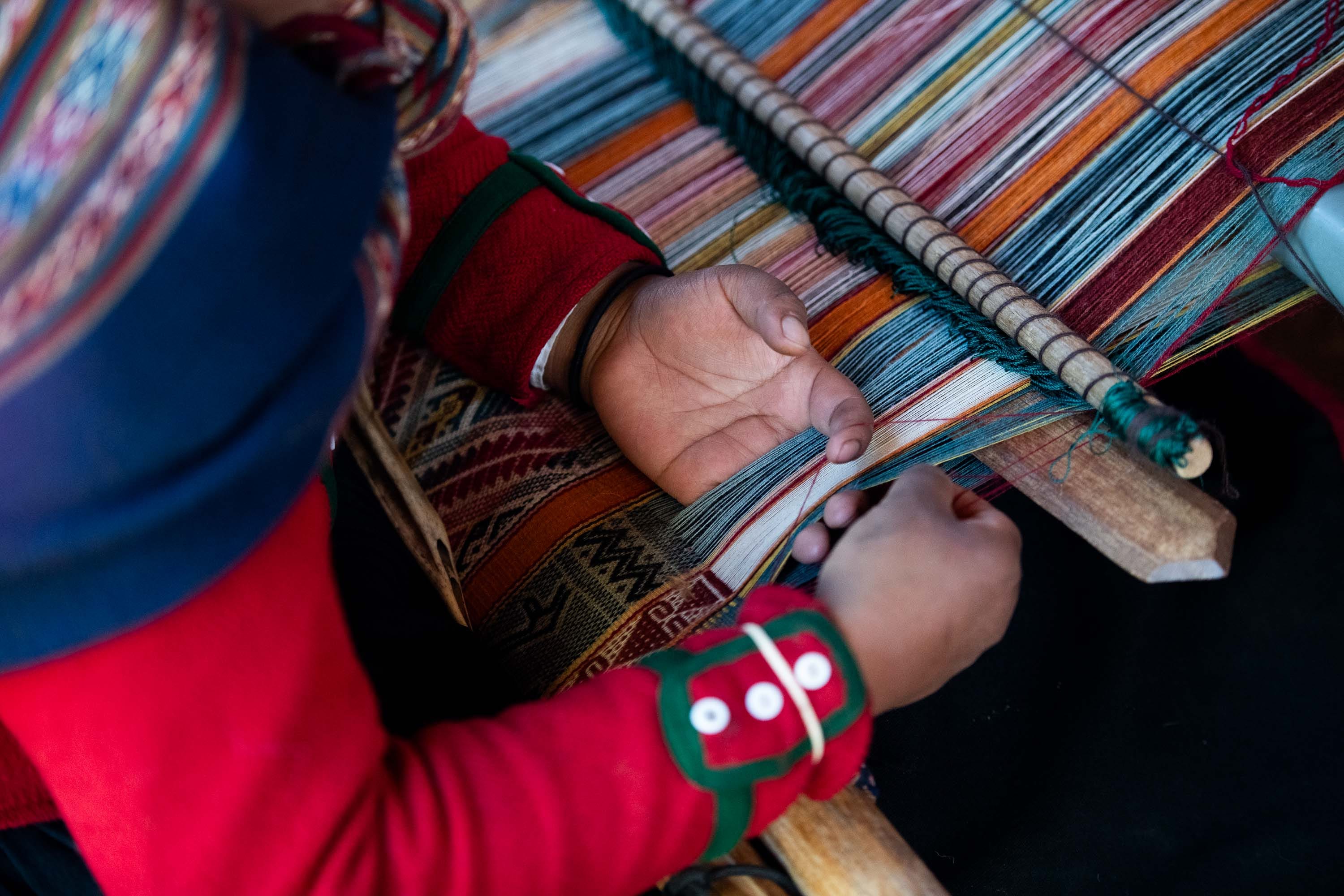
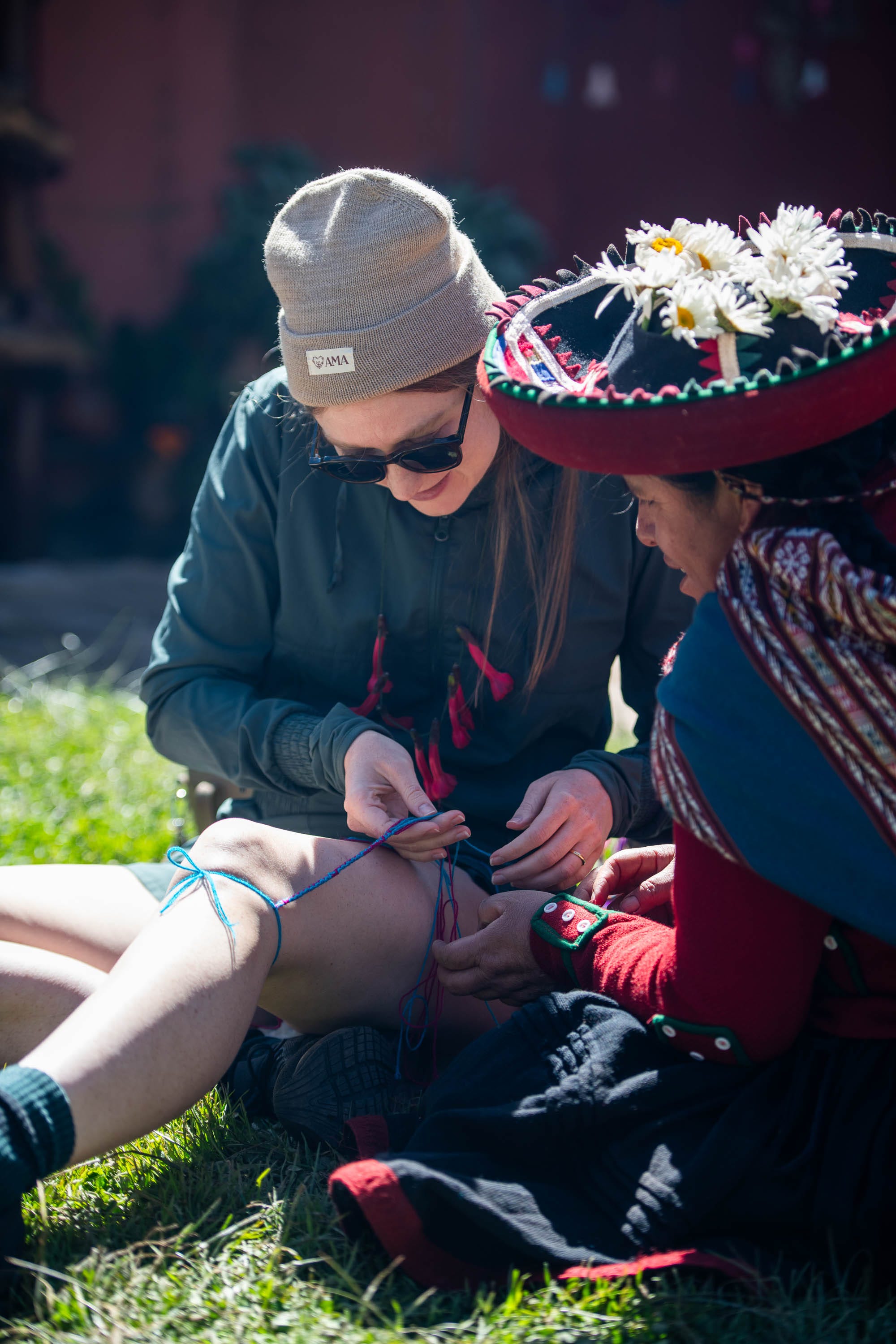
It has been so inspiring to see tourism as a force for good. It’s easy to get cynical or jaded about it sometimes, in this content-driven age of overexposed locations. But this trip has made me so optimistic. There is a better way. Better for the locals and so, so much better for the travellers.
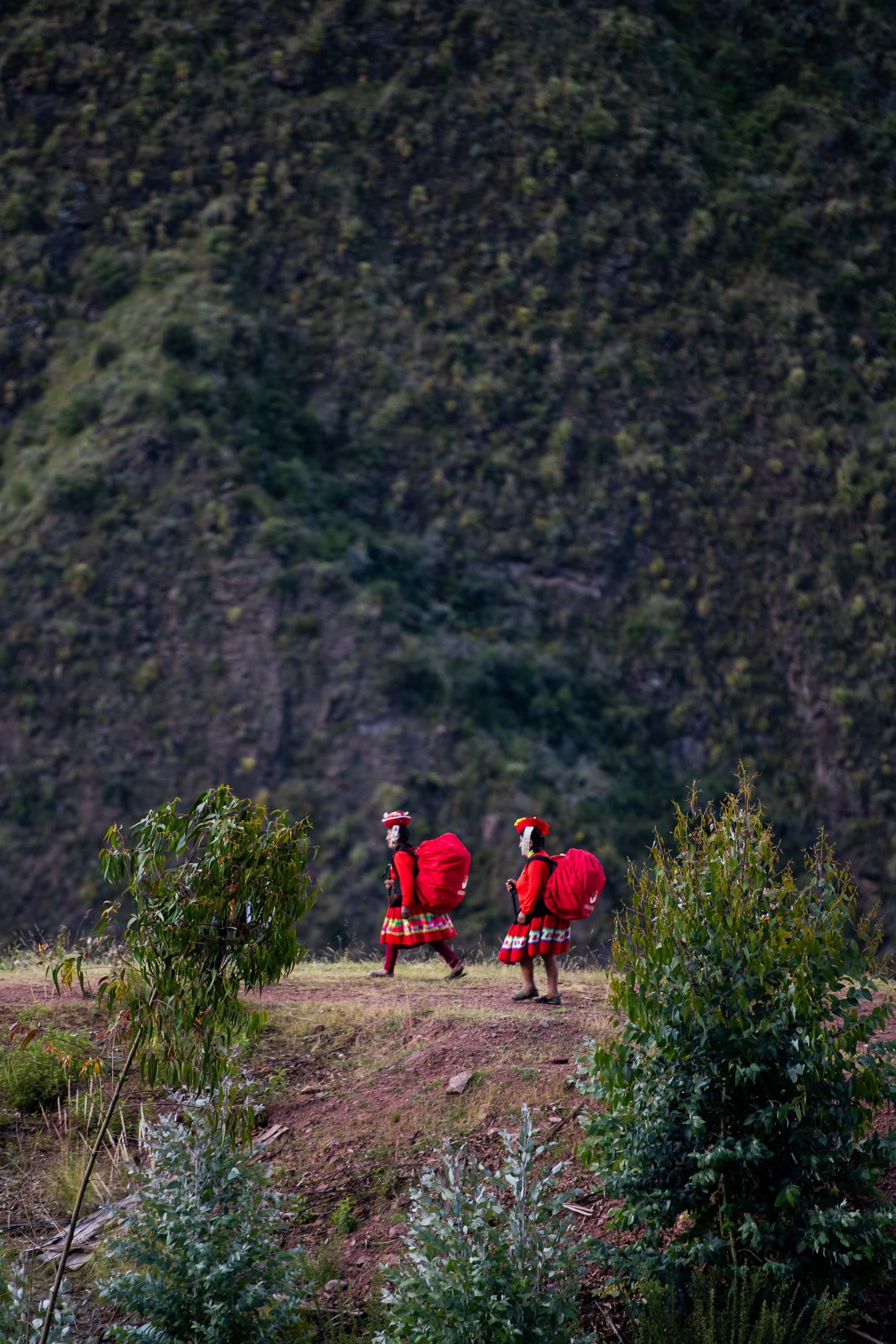
The porters who carried the gear on our hike today were both women. They started doing this work in their 50s, having never had the chance to attend school, and never learning to read or write. Now they make good money and love their jobs. The stories they have about the ‘machismo’ they faced when they started would make your blood boil. The men porters said, for example, that only widows and single mothers should be allowed to work the Inca Trail, otherwise married women would use it as an excuse to be unfaithful. Then they said, ‘okay, women can work the trail, and they can cook for us.’ Seriously.
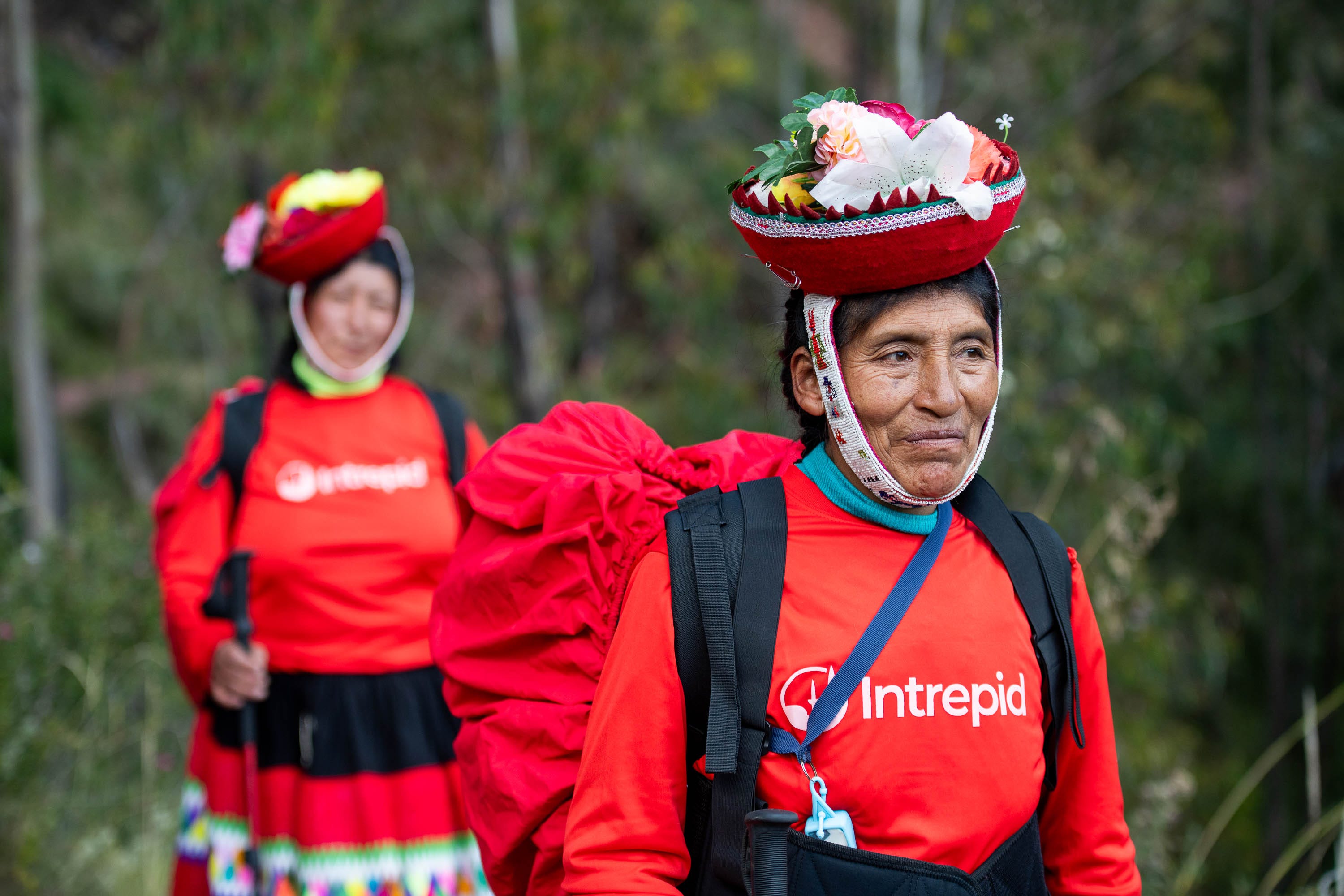
In the weeks before departure I sent a message, via Intrepid, asking if Maritza had any recommendations for Peruvian literature available in English. The first on her list—and the one I read before arriving—is Birds Without a Nest (sometimes translated to Torn From the Nest) by Clorinda Matteo de Turner. When I started chatting to Maritza and Norma about this book over dinner two nights ago they were so excited to tell me about this woman, born in Cusco in 1852, who was the first person to write about the horrors Incan people were facing under Spanish colonisation.
I’ll tell you more about this and other books in the second dispatch—coming in a fortnight, complete with the rest of the photos of our trip, including Machu Picchu… I’ve barely even mentioned the actual itinerary!
For now, it’s almost midnight, and I’m singing off with tired legs and a full heart. I’m so grateful to be on this incredible journey. And I’m so inspired by what Maritza and the Intrepid Peru team are achieving on the ground here. It is really changing women’s lives.
Giveaway
Unless otherwise advertised, giveaways are a way for me to thank paying members for making News & Reviews possible.
This week’s giveaway is a copy of The Art of the Book: Seventy-Five Years of Thames & Hudson.
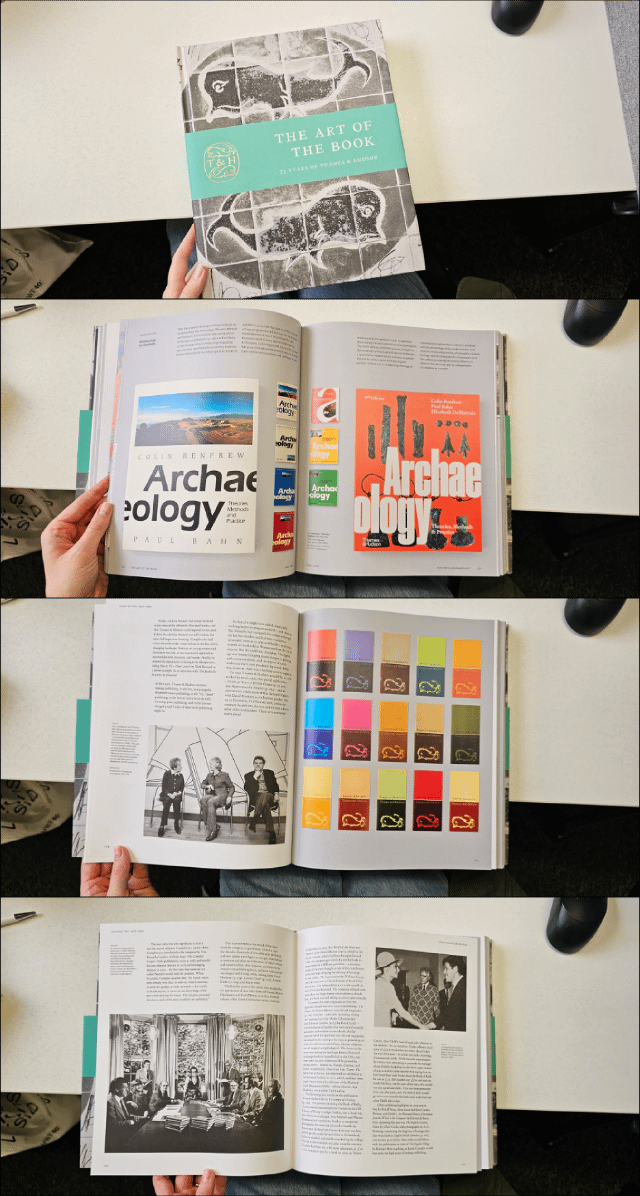
Enter with your name and email address here and I’ll draw the winner at random next week.
Maritza! hiking the INCA until 6 months pregnant, with ROCKs cruelly places in her bag? she is exceptional. i nearly passed out on that hike from altitude sickness, not pregnant, at the wee age of 22?!? probably my fittest i'd ever been too! gosh i'd love to do it again with a whole team of women telling their stories. what an inspiring update. sad i missed the genre report live!
I love a feel good story! What a great thing Intrepid are doing for those women. Thank you for sharing Bri